It took me six years to write a travel story again. It gets easily distracted with life, with studies, with the inertia of self-belief that it’s just a mere waste of time. But this time, I make the time.
São Paulo
Life threw me to the new continent I’ve imagined only in my wandering mind. The South America. Brazil’s São Paulo is where my foot is set on this continent. There’s anxiety or doubt about whether I would navigate this travel evenly. But here I am, landed in the foggy morning at São Paulo’s Guarulhos (GRU) airport. It looks gloomy. The terminal seems like an old Soviet-era brutalism architecture. Cold giant concrete, sturdy, and screams the soul of an (introvert) socialist. I recalled a similar design at the NAIA airport in Manila.
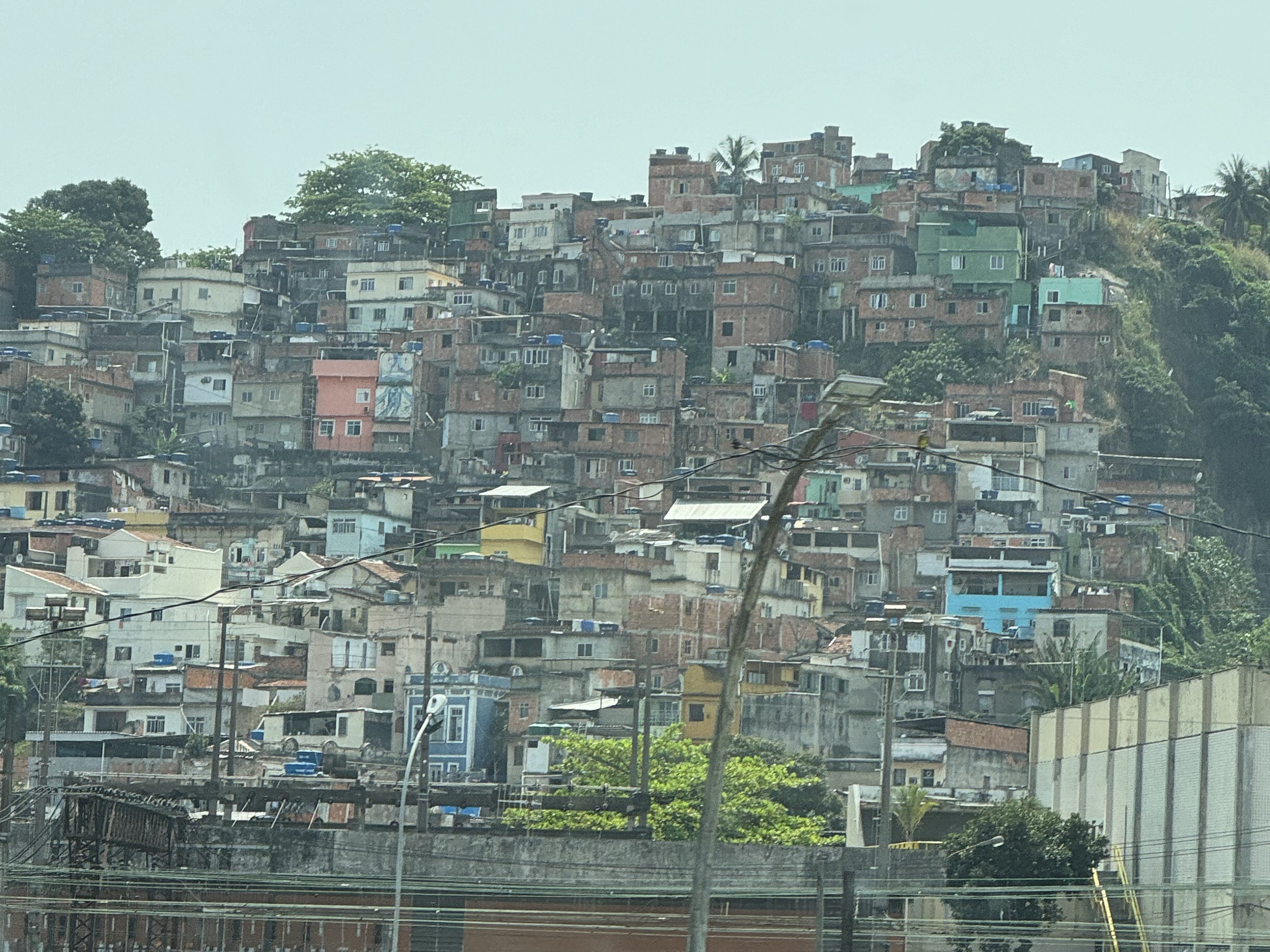
“Bom dia,” good morning, my chauffeur greeted me at the arrival hall. The organiser of the event who invited me to speak sent me a car with this young driver. Leonardo his name. Dressed in a black suit, driving a nice-looking Mercedes. As we drove along the highway to the hotel, we passed tunnels and industrial areas heavily guarded by military police. At a distance, we saw hills full of densely populated settlements, La Favelas (the shaddy towns).
To me, São Paulo resembles the country itself. A heartbreaking nation of disparity. With over 20 million population (compared to Jakarta’s 11 million), one-third of São Paulo residents live in the favelas (slums). The hills are cramped with brick houses without roads, sanitation, and proper utilities. More extremely, the favelas are run by criminal gangsters and drug dealers. All travel book says “don’t ever try to go in”, the murder rate is 23 of every 10k residents, one of the highest on Earth. One time, my Uber driver said jokingly that if he dares to go into one of the favelas, they might not let him out alive, or make him part of their communities forever. I heard no joke in this.
Historically, favelas have existed since the 19th century. They are “ungoverned” areas, a scene you only watch in post-apocalyptic or zombie movies. Yet, it’s real here in our lifetime. To communicate with the Government and the City Hall, the favelados (residents of the favelas) formed associações de moradores, a shadow government. They act as the representative senate to talk with the Police or the City Hall officers on certain issues.
On the other side of the city, São Paulo has modern metropolis as well. The business district looks like Singapore, just 356 times larger! That’s where I was staying, at the Grand Hyatt tower. At one of its shopping malls, the Iguatemi, the rich dress in Gucci and Louis Vuitton. And they go shopping in a helicopter! As the most robust economy in the Southern Americas, Brazil is rich. They have Embraer industries comparable to Airbus and Boeing. More than 90% of their energies are new and renewable sources. Their cities are well connected with all European metropolis and North American capitals. The rich in Brazil live a life just like their peers in London and Paris. In between them and the favelados, however, there’s a giant wall, literally a concrete wall separating them.
Rio de Janeiro
Brazil is difficult to understand. I feel the need to investigate more. I read books about the Brazilian political shift from colonial history in the 15th Century, the Imperial era, the socialist rulers, and the military coup, up to the present civilian democracy. I have a sense, despite all the disparity and governance challenge, Brazil has the DNA to be an advance nation, even greater than their colonialits in Europe.
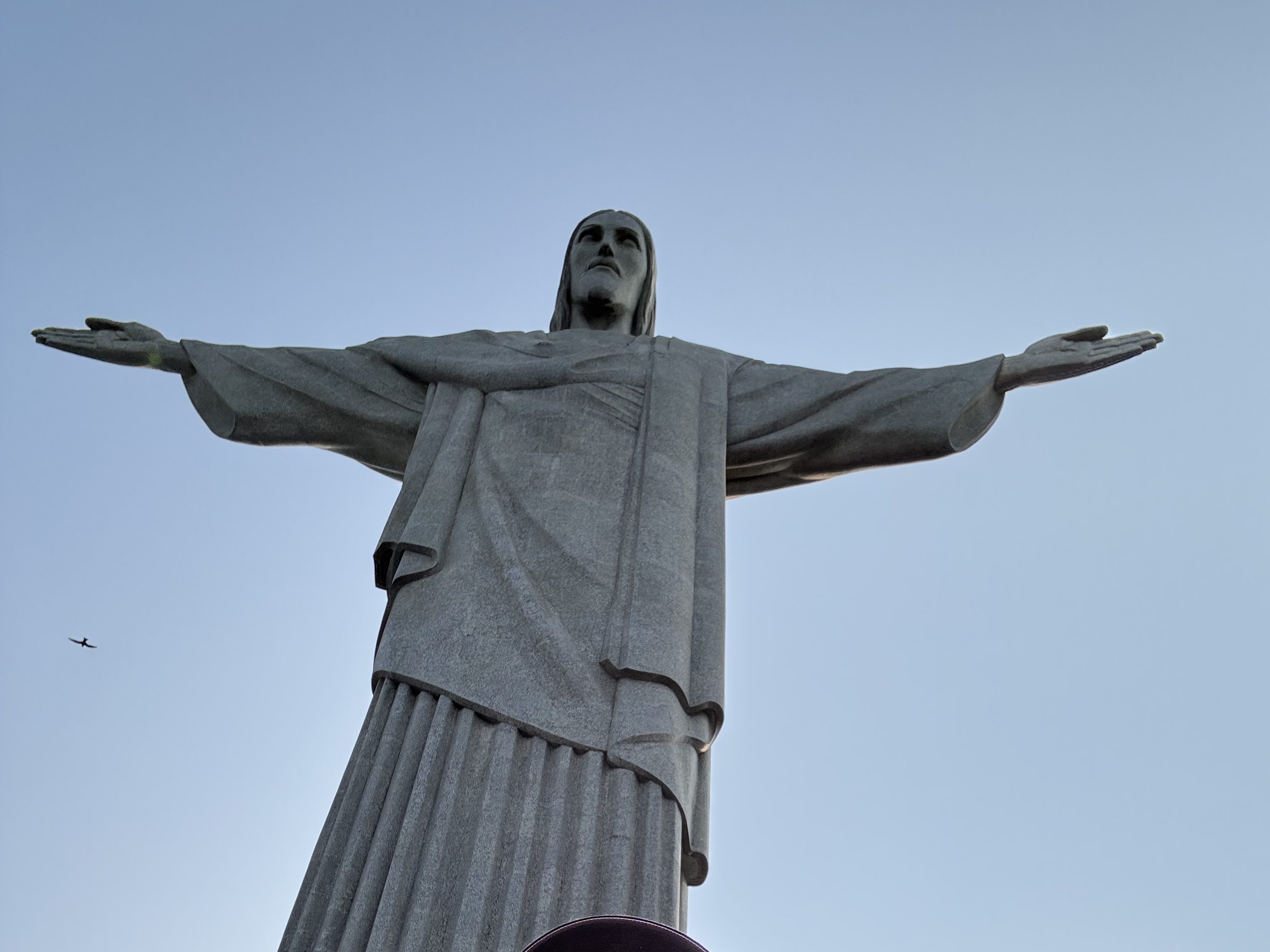
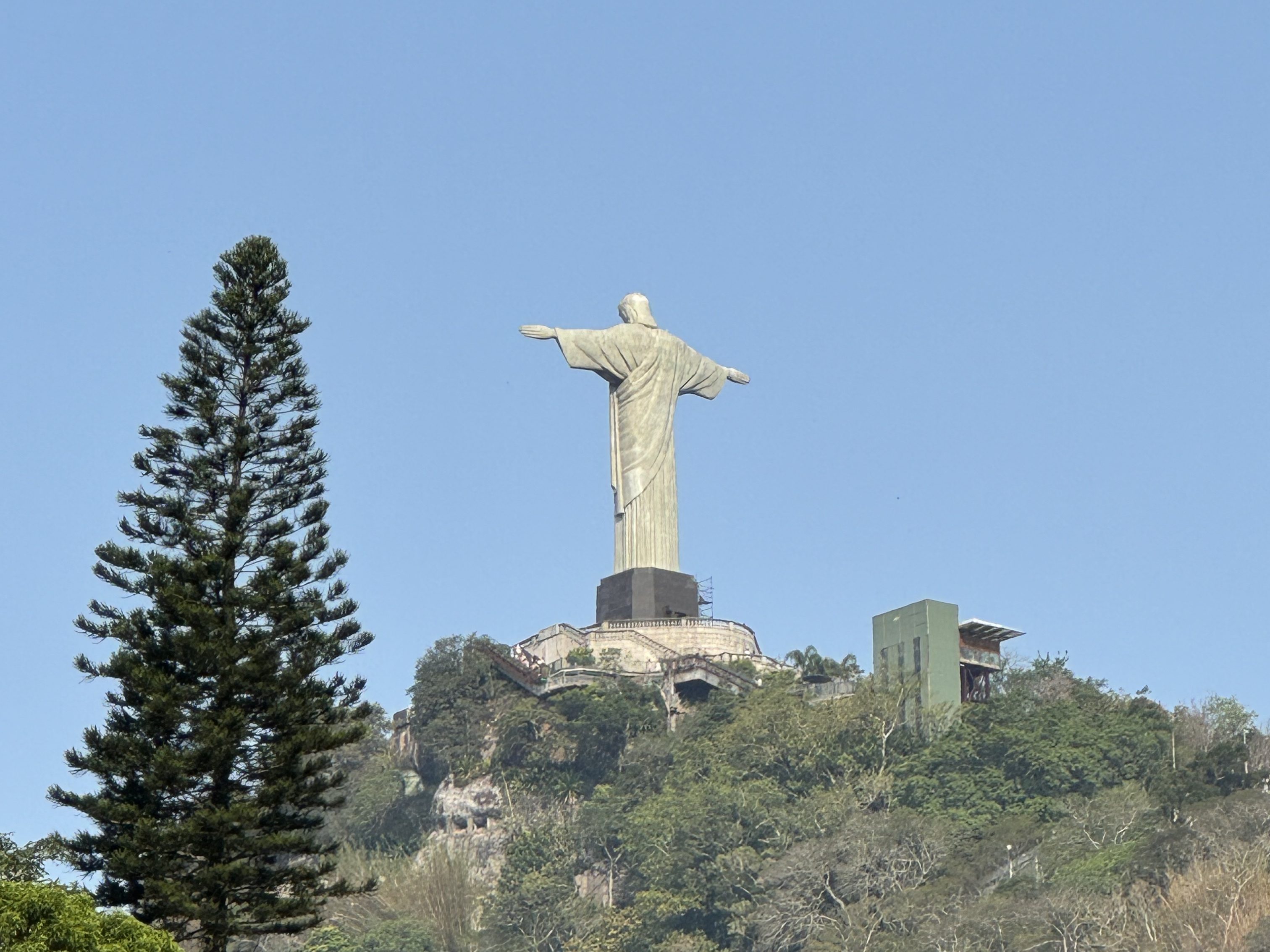
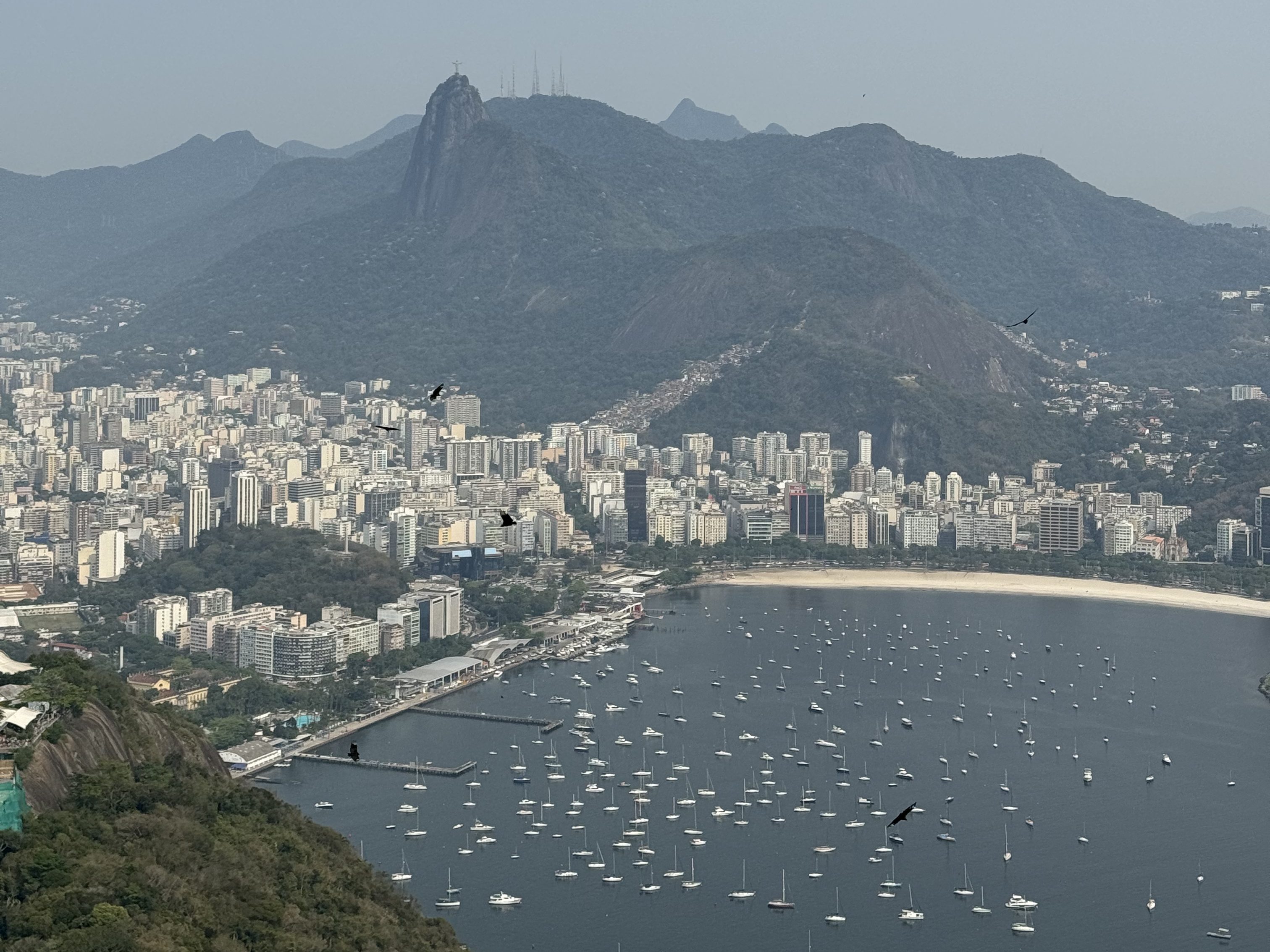
The quest continues. I took a short flight to the samba party capital of the Southern Hemisphere, Rio de Janeiro! To the outsiders, Rio is all about its world-class beaches. Copacabana, Ipanema, Botafogo, and Flamengo are among those comparable to Miami, Hawaii and Bali. Rio is also home to one of the new seven wonders of the world: Jesus the Redeemer statue, standing tall in a limestone overlooking both the extravagant party beaches as well as the hills home to the favelados. To Him, there is no difference. He blesses them all, as His gesture suggest: embrace all, redeem all. Isn’t that a message?
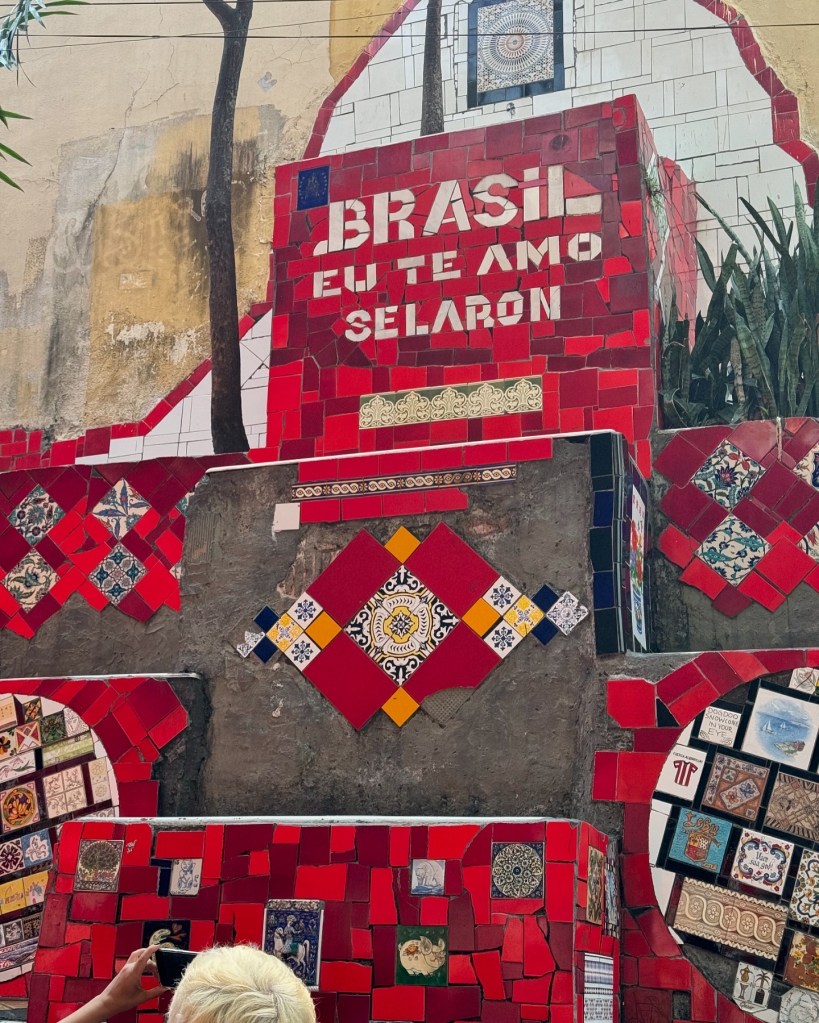
The people of Rio are diverse. They’re caucasian from Portugal, Latin, black and some Indigenous ethnic minority. There are also millions of Japanese descent who became coffee growers in the early 1900’s, escaping Japan hardship, that made up the diversity of Rio and Brazil at large. Despite being the largest country in Latin America, Brazilian speak Portuguese and barely speak English, even in the tourist-concentrated districts. And here in Rio, I’ve realised that language is the identity that define us as a nation. If we don’t speak the language, we’re a complete alien, the outsider that needs to be treated cautiously (or differently). That’s how I feel Brazilian see the outsiders. Apart from this, I feel the warmth and colorful Rio to be as comforting as the sunshine they abundantly offer.
Football
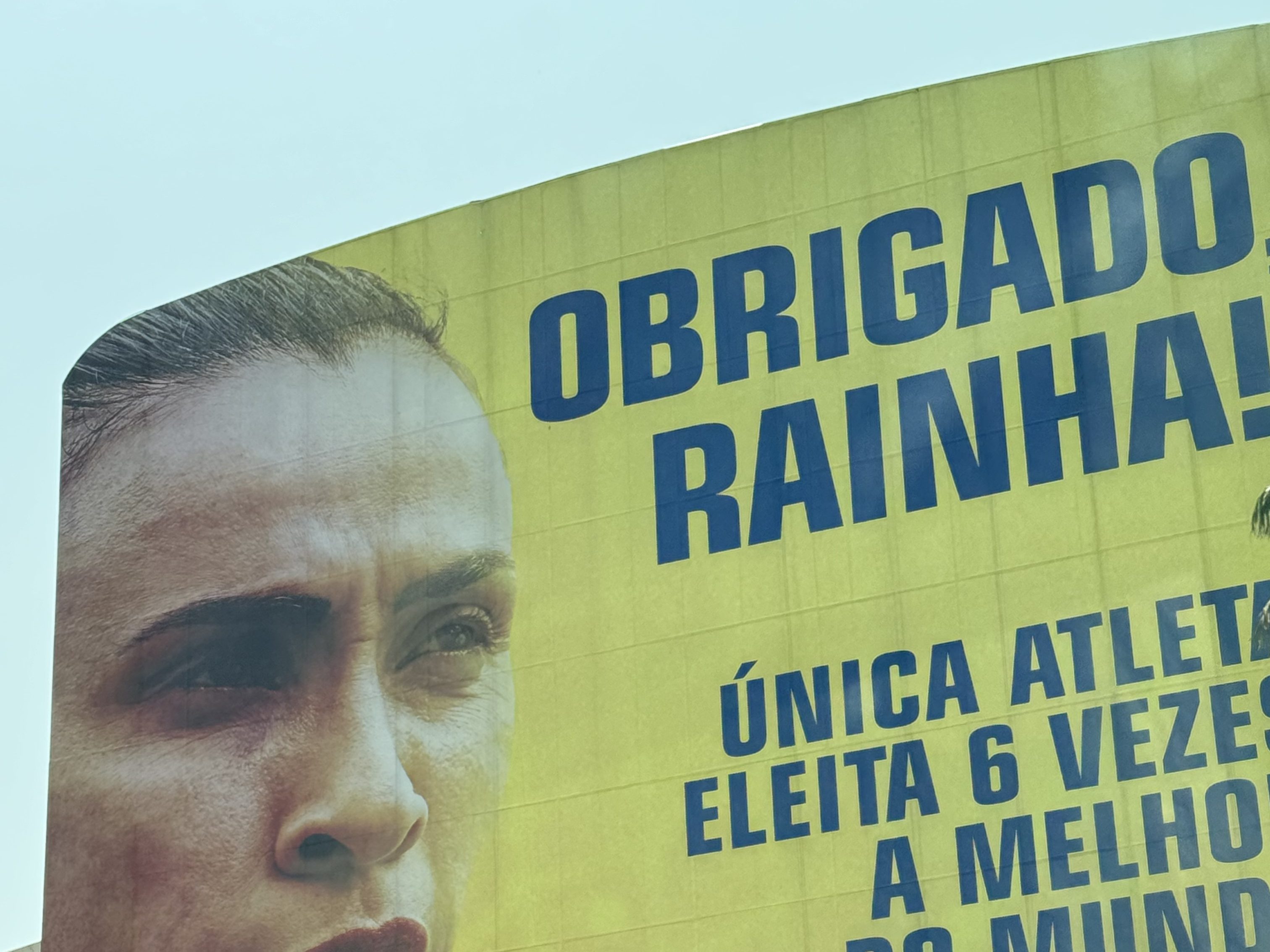
Football is the identity of Brazil. It is in the blood. Being a country qualifies for every Fifa World Cup ever in history, they also World Cup champions for many times. People in Brazil have their Instagram reels and feed all about football. It’s a culture. But why? Historically, football was brought to Brazil by a Scottish immigrant 127 years ago! (Herald Scotland). In Scotland, football club like Glasgow Celtic (my favorite) was established with one mission: “to help alleviate poverty.” Being migrant workers from Ireland, early founders of Celtic FC were discriminated and live impoverished. It is by football, they alleviate the morale of their community and those who live around them. Football unites people and the oppressed, it distracts them from reality of sufferings. It is through football they exercise their rights to express themselves and excel. Football is liberating, it sets them free to be the best of who they are. This same spirit was manifested here in Brazil. Football is their escape from drugs and crimes in the favelas. It is the sport that gives birth to Ronaldo, Neymar, Pele and Kaka. It is the light that brings Brazil out of the darkness onto the World map.
The Unfinished Business
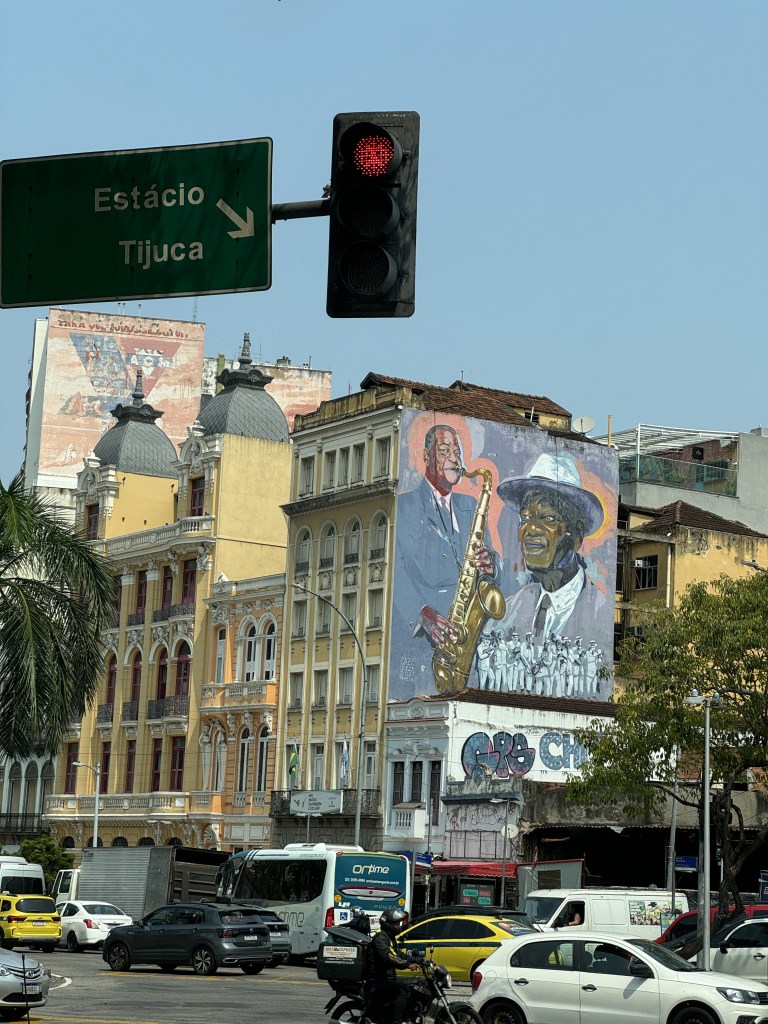
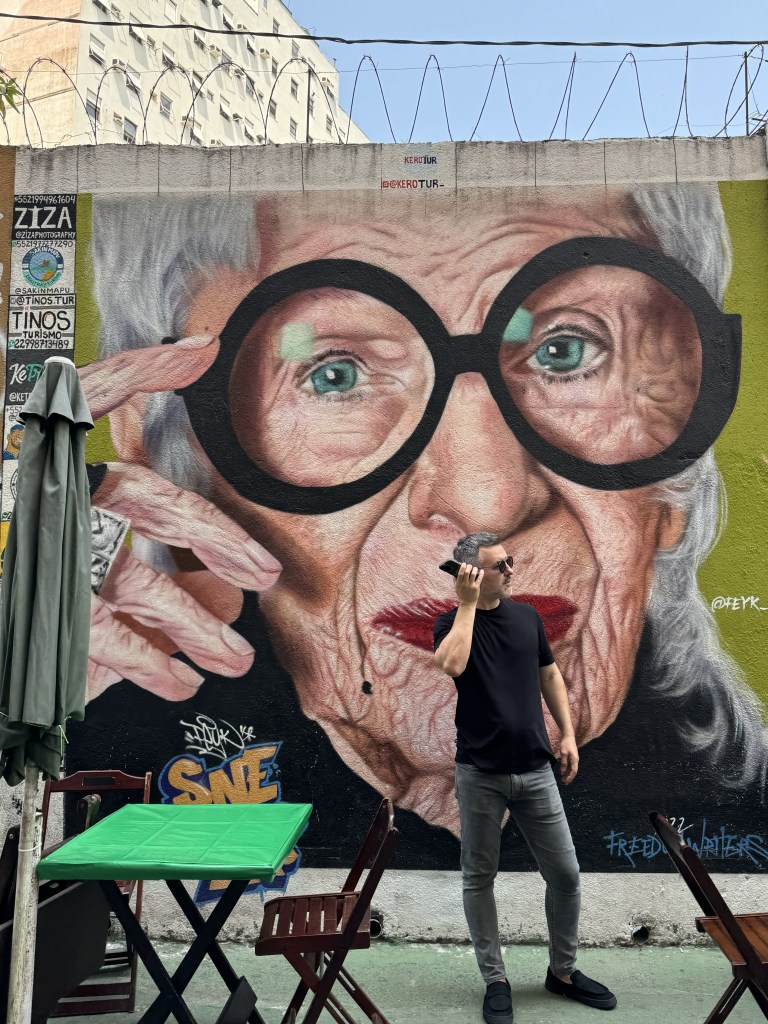
To me, Rio is in the intersection of being the West, but culturally East. The city represent modernity, vast avenues, mounting skyscrapers and miles-wide rows of modern settlements. But on its corner of the blocks and alleys, street musicians are playing saxophone under the shade of an eclectic shophouse. Walls are invaded by the mural artists to scream their leftish rebellious desire, eloquently. The city is alive with valor, creativity and the paradox of deep reflection of their long journey as a society and their projections of bright but uncertain future. As Paulo Coelho (born in Rio in 1947), my favorite author, portrays in his books “the Alchemist” — that one’s single pursuit in life is to pursue their dreams. The spirit of Rio also manifested in its dwellers, in every sense possible. Rio may look perilous. But in fact, Rio is a masterpiece in search of its ingenious poet. Rio is an unfinished business. So let us travel far and dangerous. Because “it is there in the pursuit, we find each other”*.
*) a quote I borrow from Pope Francis’ statement, that God is also changing, and by changing He is approachable. And in our way to approach Him, we may find Him.
 The Mind of a Solo Traveler
Just a few days ago I came across a list of countries with the widest wealth gap in the world, and Brazil is unfortunately near the top. The country has so much potential, and in some ways they have managed to show some of it. But it also sounds like there are deeply-rooted structural problems that have hindered it from truly manifesting the best it could be. By the way, nice to see you again in the blogosphere, Aria!
Fascinating country, indeed.